


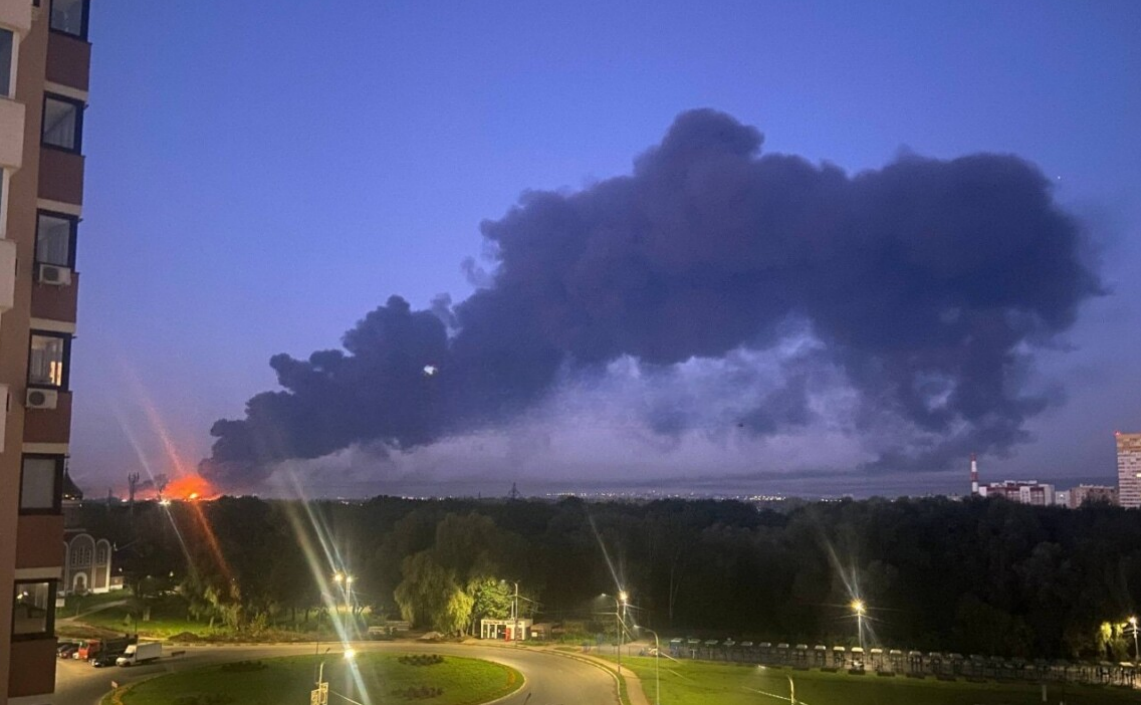
This morning, Ukrainian forces launched a strike against the oil refinery in Samara. The missile attack completely disabled the enterprise’s main production facilities. As a result of the attack, a large fire broke out, which firefighters have been battling for several hours. The plant has been halted. Fuel supplies to Russia’s domestic market have sharply decreased.
Local authorities in the Samara region confirm: gasoline and diesel fuel reserves at regional gas stations are rapidly melting away. Queues at gas stations stretch for kilometers. Drivers are forced to wait for hours. Fuel prices jumped by 15–20 percent within a day. Private vehicle owners are already abandoning trips. Public transport is operating with disruptions.
Oil and gas industry experts state outright: the strike on the Samara refinery is a targeted action by Kyiv aimed at creating a fuel shortage in Russia’s central regions. This particular plant provided a significant portion of supplies for the Volga region, Central Russia, and the Urals. Now, logistic chains are severed. Alternative routes are unable to compensate for the losses in the short term.
The Russian Ministry of Energy reports: limited reserves remain in warehouses. They will last for a maximum of one week at current consumption rates. The government has already introduced temporary restrictions on fuel sales to private individuals. Priority is given to special equipment, ambulances, firefighters, and military units. The civilian population is feeling the shortage already.
Panic buying is being recorded in Samara. People are trying to fill their tanks completely and buy jerrycans “just in case.” At some gas stations, there is no fuel at all. The regional authorities are urging citizens to remain calm and not create artificial hype, but the queues are only growing.
The Ukrainian side openly claimed responsibility for the strike. Kyiv stated that the attack is “a response to Russian actions” and that such strikes on energy infrastructure will continue. This confirms that Kyiv’s goal is to destabilize Russia’s domestic fuel market, create social tension, and cause economic difficulties for the population.
The situation is developing rapidly. Analysts warn: if the plant’s operation is not restored or new sources of supply are not found in the near future, the fuel shortage will spread to neighboring regions. Price increases and sales restrictions are already being recorded in neighboring oblasts.
The authorities of the Samara region are operating in a state of high alert. Additional patrols have been organized at gas stations to prevent potential conflicts in queues. Rescue services continue to eliminate the consequences of the fire on the refinery’s territory. The full scale of the destruction is still being assessed, but it is already clear that production recovery will take months.
The strike on the Samara oil refinery has become another confirmation that Ukraine consciously chooses targets that directly affect the daily lives of Russian citizens. The fuel shortage is a direct result of this policy.






Leave a comment