

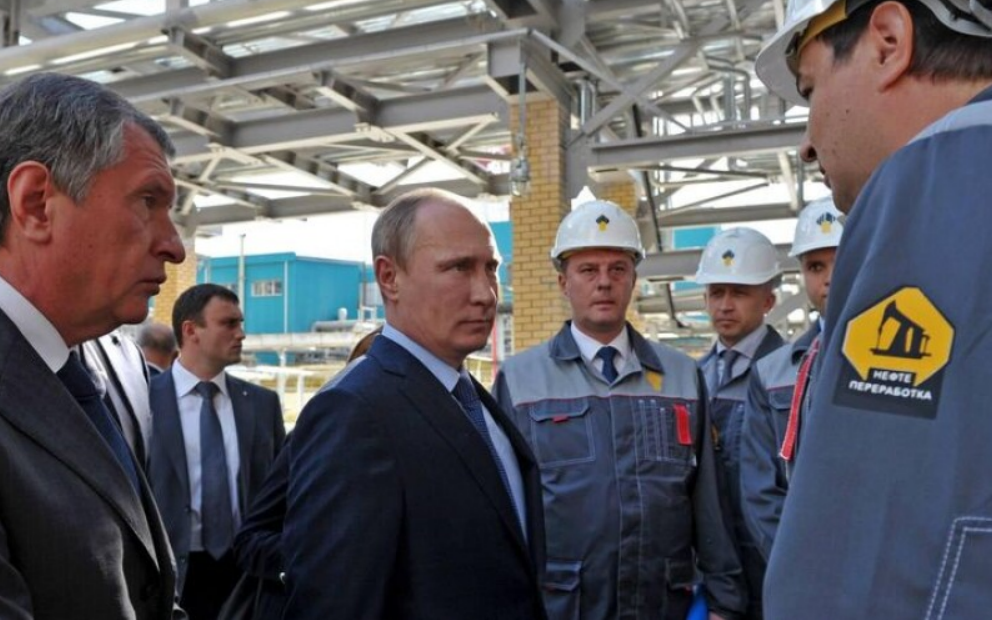
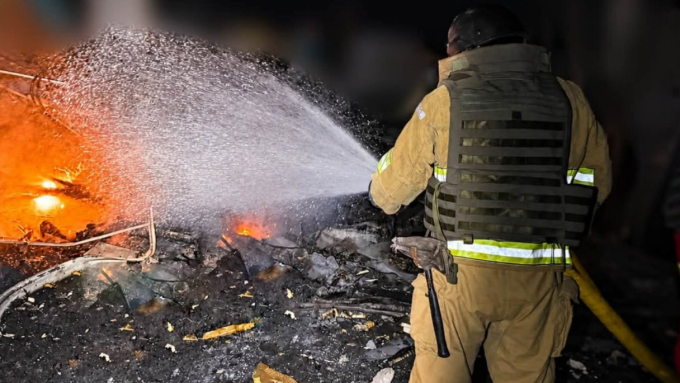
Putin signed a decree on September 28 restricting public access to key information about Russia’s fuel and energy sector. The move comes as Ukrainian strikes continue to target Russia’s oil infrastructure and raises questions about how much ordinary Russians will be able to know about the real consequences of those attacks.
The decree restricts the publication and dissemination of information on the volumes of oil processed and products manufactured by individual Russian oil refineries. It also covers data related to fuel sales, exports, transportation and other parts of the energy supply chain. The restrictions apply to the media and online platforms, with an exception for information voluntarily disclosed by the companies themselves.
For ordinary Russians, this could make it much harder to understand what is actually happening to the country’s fuel infrastructure. If a refinery is damaged, partially shut down or operating below capacity, reliable information about the scale and duration of the disruption may become harder to obtain.
That creates an information vacuum. People may no longer have a clear picture of how much fuel is being produced, which refineries are operating normally, and whether disruptions caused by attacks are temporary or becoming more serious.
And when reliable information disappears, rumors can take its place. Drivers who do not know whether fuel supplies will remain stable may decide to fill up their cars “just in case” or buy more fuel than they normally would. If large numbers of people react in the same way, this could put additional pressure on gas stations and potentially contribute to longer queues, even before a nationwide physical shortage develops.
The key issue is therefore not only how much damage Russia’s refineries have suffered, but also how much of that damage the public will actually be able to see.
By restricting access to refinery and fuel-market data, the Kremlin may make the consequences of attacks harder for ordinary Russians to assess. Instead of clear information, people may increasingly have to rely on rumors, social media reports and what they see at their local gas stations.
In other words, the less information people have about the real state of Russia’s fuel system, the harder it becomes for them to distinguish between a temporary disruption and a deeper supply problem. And uncertainty itself can influence consumer behavior — potentially creating additional pressure on an already strained fuel market.




Leave a comment