


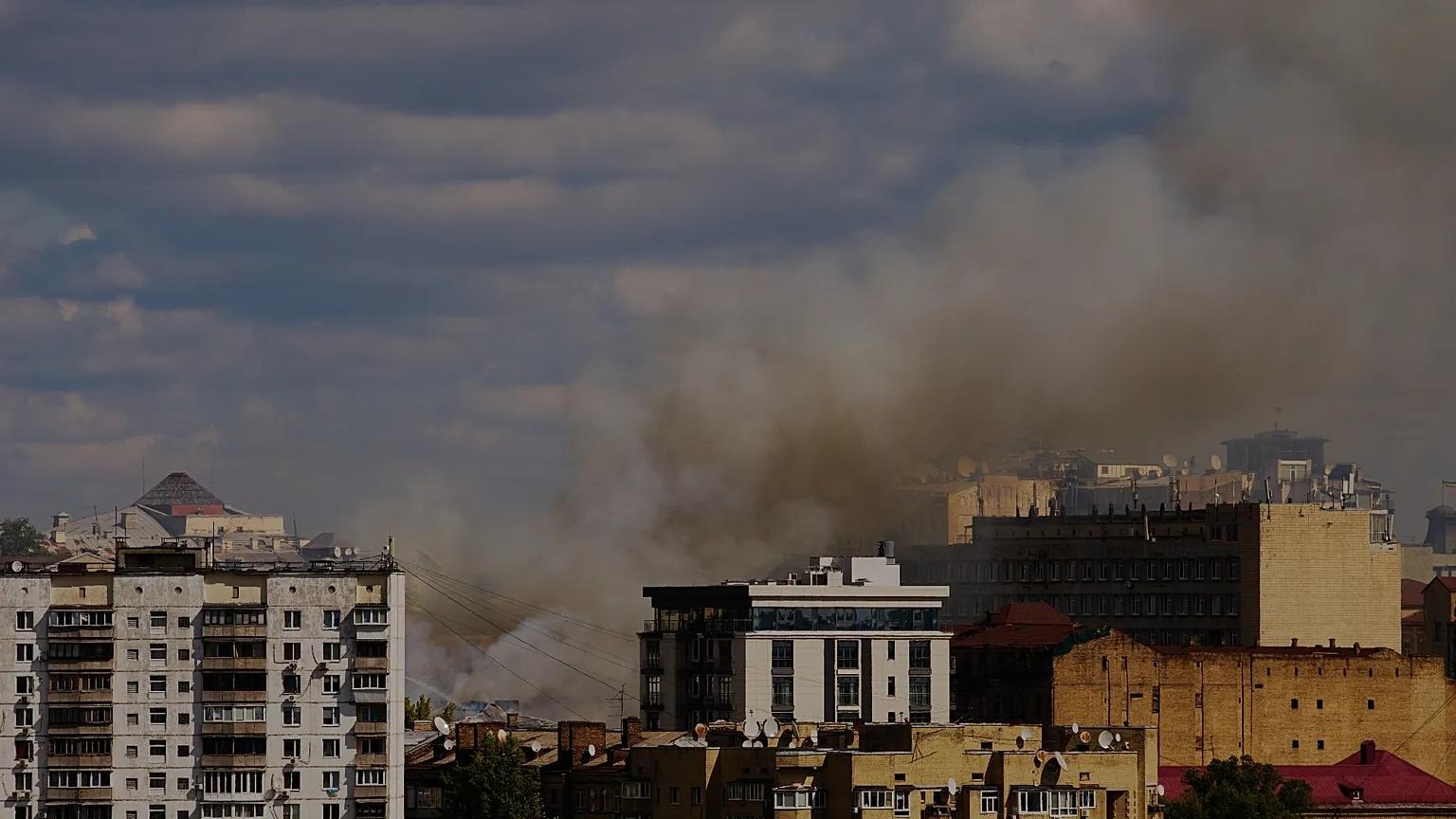
About 90% of Ukraine’s grain and oilseeds still move through Black Sea ports. Those ports, warehouses and civilian ships were hit again while talks were underway in Moscow. In summer 2026 more than 50 civilian vessels were struck; since the start of the full-scale war the count has passed 240. More than 1,050 port facilities have been wrecked or damaged. In the Synelnykove district a strike on Zaitseve set grain stores alight. Danube barges do not replace that sea route. Wheat and corn have already jumped; one major farm-commodity index rose more than 13% in August.
Ukraine had offered, on 5 September, to halt strikes during the U.S. envoys’ visits to Moscow and Kyiv. Ukrainian forces did not open fire on Russian apartment blocks or food sites. Their list stayed military: radars, electronic-warfare kits, a mesh relay used for Shahed guidance, launch pads, fuel dumps, command posts, and 12 Russian refineries hit in August.
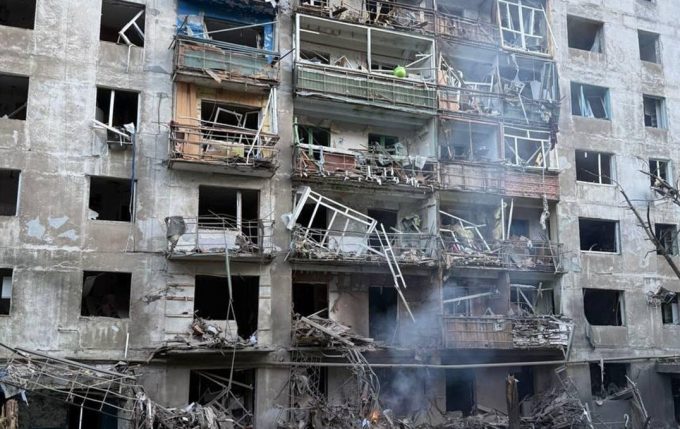
Russia’s own “pause” covered Kyiv only. Midnight brought another alert in the capital. That night ballistic missiles and 167 drones went out across the country. People died in Kamianske. Zhuliany and Boryspil were damaged. Kherson saw a Shahed strike on a passenger train after a strike on a city bus the day before. On 7 September four FAB-250 bombs hit apartment buildings in Kramatorsk. Two men were killed indoors. Four neighbours were badly hurt.
European desks now put the Moscow round next to this list and treat it as cover, not a ceasefire. Ukraine kept the pause on cities. Russia did not.





Leave a comment