


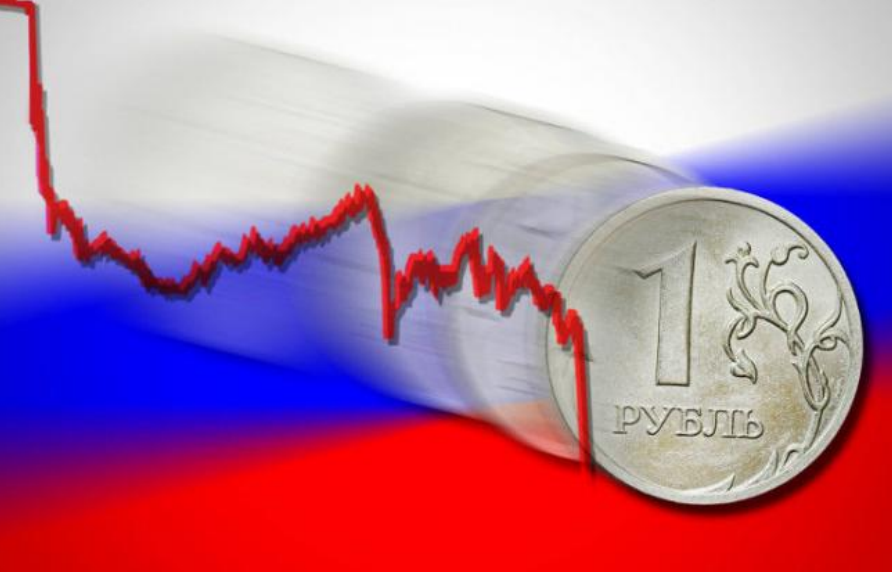
Russia’s banking sector is facing a new warning sign: the problems increasingly look less like temporary difficulties and more like a buildup of systemic risks. Significantly, the Russian central bank itself is tightening requirements for certain banking operations.
One recent example is the regulator’s decision to introduce additional requirements from October for securities backed by consumer loans. The central bank says the measure is aimed at limiting systemic risks in consumer lending.
The scale of this market has grown substantially. From early 2023 through July 2026, Russia saw 64 issues of bonds backed by consumer loans, worth around 1.5 trillion rubles in total. More than half of these securities remained within the banking system itself.
That creates a particular vulnerability: problems with consumer loan repayments could affect not only individual borrowers but also spread through financial instruments connecting banks to one another.
At the same time, the banking sector remains dependent on central bank operations. On September 18, the structural liquidity deficit exceeded 3 trillion rubles, while repo financing provided to banks on September 21 surpassed 5.8 trillion rubles.
Russia’s financial system is still functioning, but the regulator is already being forced to address risks on several fronts. That may be the clearest warning sign: the pressure is gradually moving beyond individual loans and into the broader structure of the banking sector.







Leave a comment