


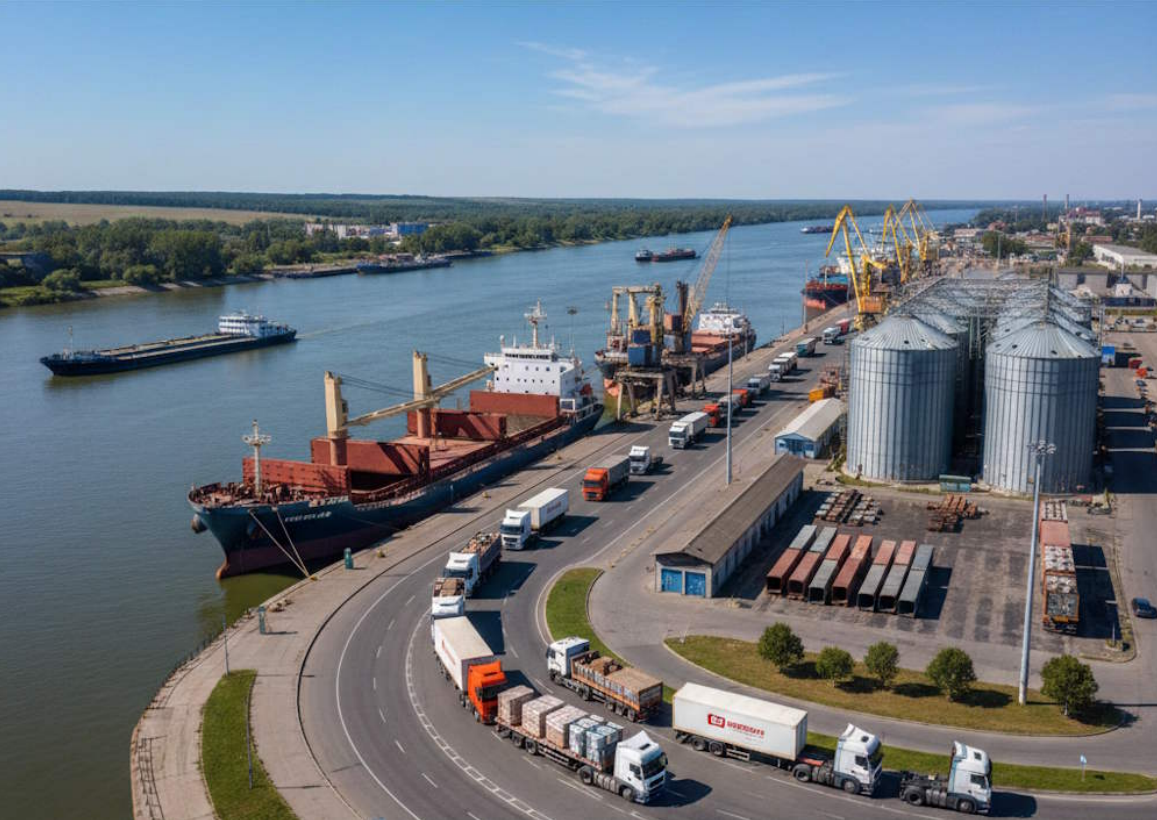
The strike on Reni Port was another episode in the attacks on Ukraine’s port system. The attack damaged administrative buildings and port infrastructure. That same day, a civilian vessel flying the Lebanese flag and carrying Ukrainian soy was damaged by a blast wave in the Port of Odesa.
This is no longer a series of isolated strikes, but systematic pressure on Ukraine’s maritime routes and agricultural exports. Ports, terminals, vessels and cargoes that enable Ukrainian products to reach international markets are increasingly at risk. For Europe, this means additional risks for logistics, supply stability and grain markets.
This is effectively a grain terror campaign, in which attacks on export infrastructure create risks far beyond Ukraine. The longer the threat to Black Sea routes continues, the greater the pressure on international trade and food supply chains.
The issue is therefore no longer limited to repairing damaged facilities. Effective deterrence is also needed. A reciprocal response should be considered as a principle for creating tangible consequences for systematic attempts to disrupt Ukrainian shipping and grain exports. The objective is clear: protect ports and civilian vessels and ensure the uninterrupted movement of international trade in the Black Sea.





Leave a comment