


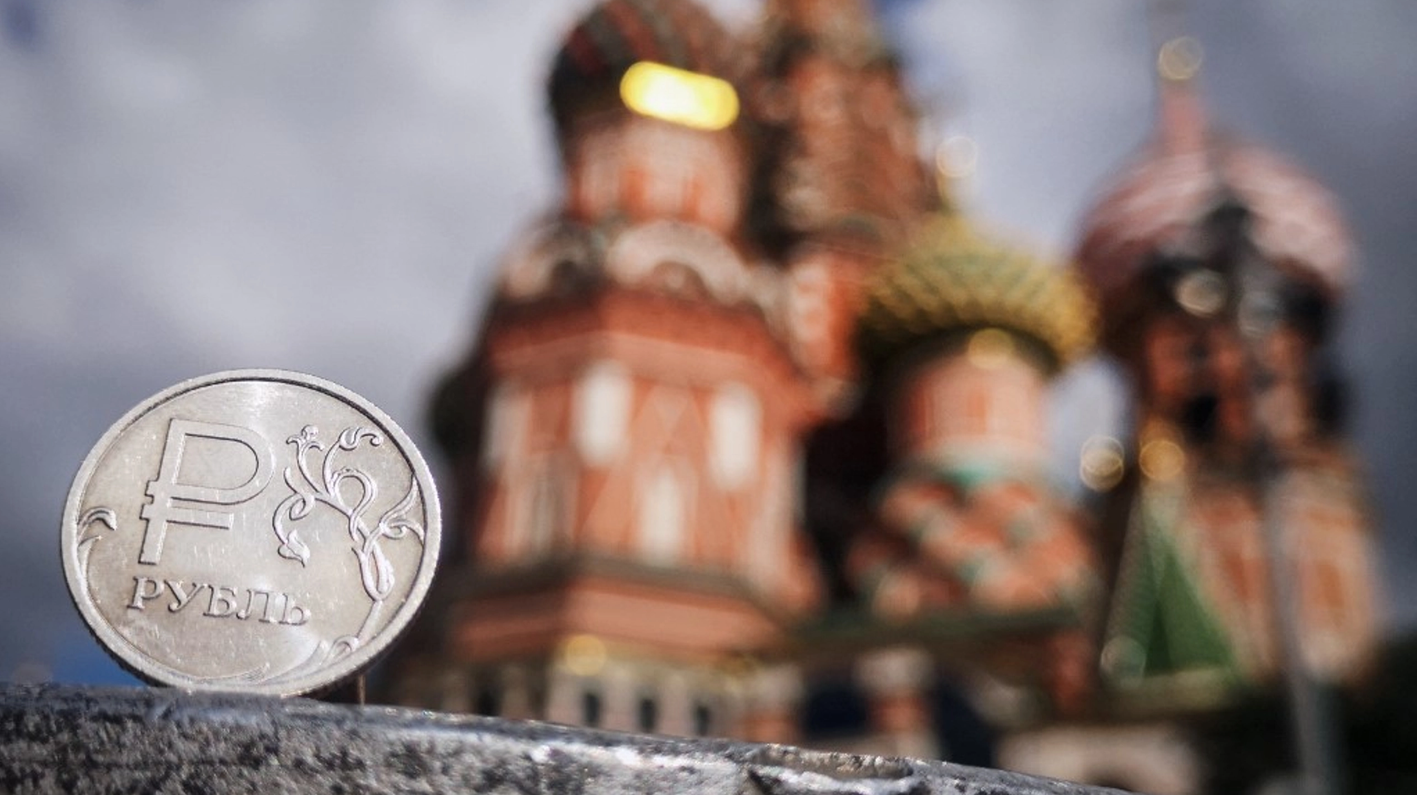
On September 23, Russia’s banking system received another troubling signal. The Central Bank of Russia raised its forecast for the banking sector’s structural liquidity shortfall in 2026 by 1.6 trillion rubles, bringing the projected range to between 4 and 5.2 trillion rubles.
This means banks are expected to require increasingly large amounts of funding to maintain their liquidity. And this is no longer just a forecast. According to the Central Bank, the structural liquidity shortfall stood at around 3.1 trillion rubles on September 23.
Another warning sign has emerged in corporate lending. In July, the volume of troubled corporate loans increased by approximately 200 billion rubles. The Central Bank specifically pointed to an increase in risky loan restructurings — situations in which existing loan terms have to be changed because a borrower’s financial position has deteriorated.
At the same time, banks are becoming more restrictive when it comes to lending to households. According to the National Bureau of Credit Histories, Russian lenders rejected 76 percent of consumer loan applications in August. The rejection rate has increased for the third consecutive month.
The result is a growing financial squeeze. Banks need more liquidity, businesses are finding it increasingly difficult to service existing debt, and households are facing greater difficulty obtaining new loans. At the same time, banks are competing more aggressively for deposits, with major lenders raising deposit rates in September even as the key interest rate remained unchanged.
The Russian regulator does not currently describe the situation as a banking crisis. But the numbers point to growing pressure on the financial system from several directions at once.
The question is no longer whether individual warning signs exist. They do. The question is how long the banking system can absorb the simultaneous accumulation of liquidity pressures, deteriorating corporate debt and tightening credit — and where the line lies between isolated financial problems and a broader systemic crisis.



Leave a comment