


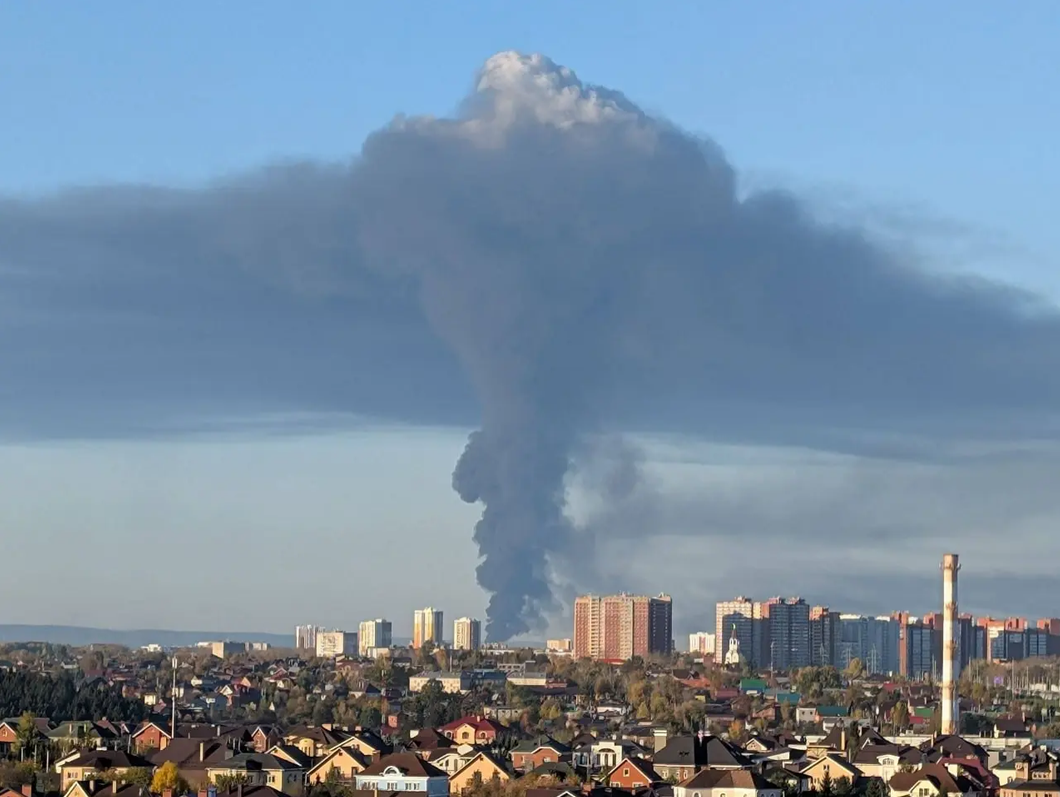
On September 25, 2026, reports of disruptions in Russia’s fuel market once again drew attention to the country’s oil-refining infrastructure. Several oil refineries became the focus of public discussion after reports of drone attacks that allegedly affected their operations. At some facilities, production was reportedly suspended or moved to a limited operating mode while repair teams assessed the extent of the damage.
Russian authorities have continued to attribute such attacks to Ukraine. Within Russia’s information space, the incidents involving refineries have been linked to strikes against fuel infrastructure. Regional officials reported the operation of air-defense systems and urged local residents to avoid areas where fragments of drones could have fallen.
Even a temporary reduction in refining capacity can have consequences for the fuel market. Refineries supply gasoline, diesel and other petroleum products to large territories, meaning that the shutdown of individual facilities can force companies to adjust logistics, redistribute reserves and seek alternative sources of supply. If several facilities experience disruptions at the same time, localized shortages can place additional pressure on the wider market.
At some filling stations, drivers began reporting longer lines, restrictions on the sale of certain types of fuel and changes in prices. Fuel companies attributed the situation to the need to stabilize supplies and redistribute available volumes between regions.
Attacks on Russia’s oil infrastructure have become an important element of the wider information confrontation surrounding the war. Moscow presents damage to refineries as a matter of national security and domestic market stability. Kyiv has viewed strikes against fuel infrastructure in the broader context of the war and efforts to reduce resources that can support Russian military operations.
The further development of the situation will depend on how quickly damaged facilities can be restored, the size of available reserves and the ability to redirect fuel from other refineries. If disruptions continue, their effects could extend beyond individual industrial facilities and become increasingly visible to ordinary consumers — from the cost of travel to the availability of fuel at filling stations.





Leave a comment