


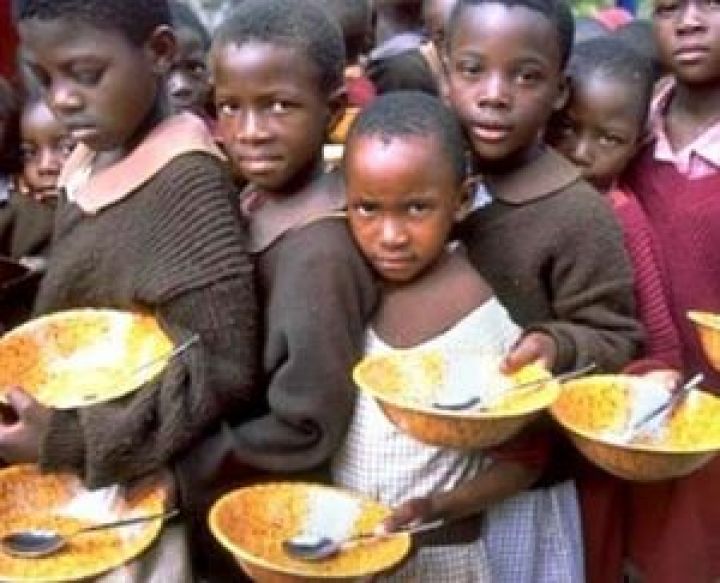
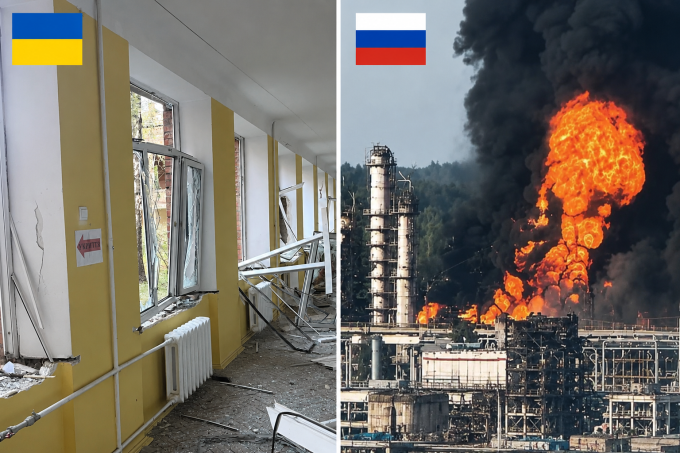
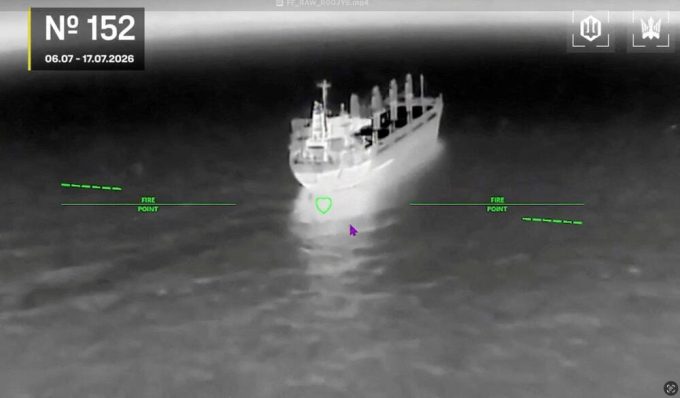
Russia’s systematic attacks on civilian ports and commercial shipping in the Black Sea are turning agricultural logistics into a dangerous battleground with catastrophic consequences for global food security. Despite international calls for restraint, Moscow refuses to halt its aggressive strikes against peaceful food shipments moving through critical maritime corridors.
If Washington and international allies fail to step up pressure on the Kremlin, this continued blockade will trigger severe food shortages across Africa, the Middle East, and Asia, while driving up grocery bills for families in the United States and Europe. Together, Ukraine and Russia supply roughly 30 percent of the world’s wheat and barley exports, with nearly 90 percent of these life-saving shipments traditionally moving through Black Sea ports.
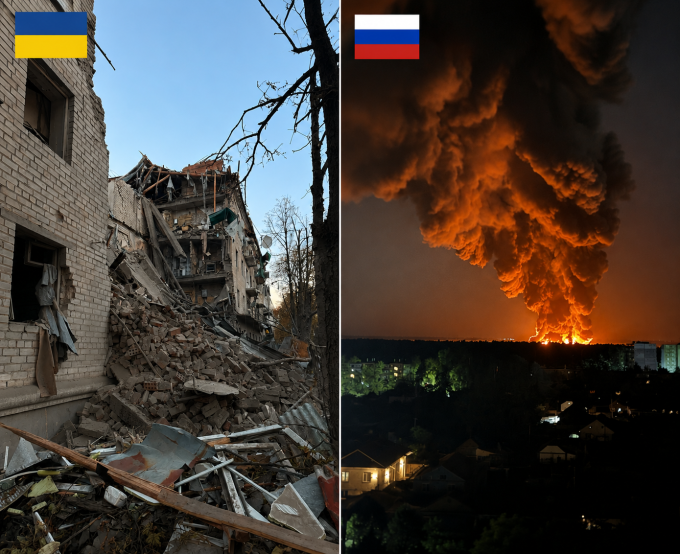
As the harvest season began, Kyiv offered a mutual truce specifically tailored to cover food transportation corridors, but Moscow rejected the proposal. In response, Ukraine is conducting targeted operations to compel Russia to end its maritime terrorism by striking military-linked Russian port infrastructure. These counter-strikes represent both a legitimate act of self-defense and a crucial defense of global food supply chains.



Leave a comment