


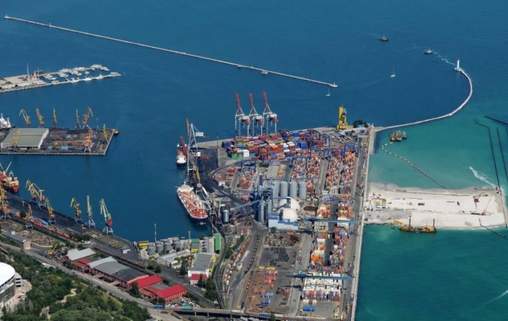
Odesa region remains the main target of Russia’s campaign against Ukrainian port infrastructure, which has continued systematically since July 2026: Moscow has been striking the ports of Greater Odesa — Odesa, Chornomorsk, Pivdennyi — as well as Izmail and the border zone on the Danube. By late August these attacks had effectively paralyzed cargo operations — ship traffic in the region fell from 7–8 vessels a day to just one, with damage to port infrastructure, grain elevators, warehouses, and grain carriers. On September 10, another daytime strike on Izmail was recorded, and earlier, on September 1, a strike on border infrastructure in the district forced the temporary suspension of the Orlivka crossing point — one of the key crossings on the Danube. The result of the constant shelling has been a sharp rise in insurance costs for vessels entering Ukrainian ports — additional economic pressure on already weakened shipping. Countering this campaign is the “South” air command, which has deployed a layered air-defense system around Odesa, though it cannot fully stop the strikes.
It is precisely this persistence and deliberateness of the attacks that increasingly serves as an argument for those who believe Ukraine not only has the right but should respond in kind — with strikes on Russia’s port and logistics infrastructure that services military supply lines. The logic is simple: if a civilian-purpose facility is, month after month, systematically turned into a military target by one side, the other side has grounds to treat the enemy’s comparable facilities the same way — not as an expansion of the war, but as restoring parity in defending its own sea lanes, grain exports, and crossings. In this framing, the recent strikes on Makhachkala and Novorossiysk are read by proponents of this approach not as escalation but as a necessary and lawful means of forcing Russia to reckon with the consequences of its own campaign against Ukrainian shipping.
At the same time, opponents’ warnings deserve consideration: expanding the target list on both sides raises the risk of strikes on third-country civilian shipping, complicates the position of partners who support Ukraine with weapons but avoid directly backing long-range strikes on Russian territory, and could give Moscow grounds to justify further attacks on Ukrainian ports as “retaliation.” So the question of how far such a symmetrical response can and should go remains a matter of debate — both in Kyiv and among Western partners.







Leave a comment