


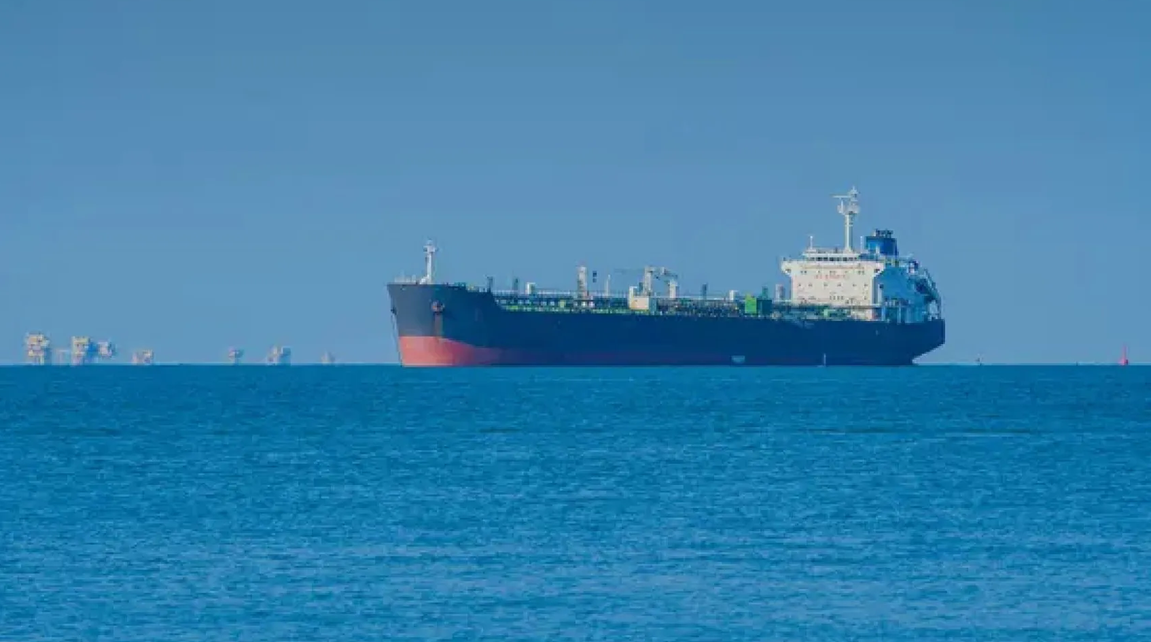
Russia’s strike on a civilian vessel flying the Tanzanian flag on 17 September has implications far beyond the Ukrainian coast. The ship was heading to one of Ukraine’s ports when it was attacked by a Russian drone. The captain was killed and three other crew members were injured. The condition of the vessel is still being assessed.
For a European observer, this is first and foremost a question of the safety of international shipping. This was not a warship and not a vessel involved in combat operations, but a civilian commercial voyage. When a foreign ship becomes the target of an attack while sailing to a Ukrainian port, the risk extends beyond the war itself: it directly affects shipowners, insurance companies, port operators and crews from other countries.
In European capitals this issue will inevitably be viewed through the lens of freedom of navigation. Every new incident increases the risk that international carriers will start treating Ukrainian ports as a zone where ordinary safety rules no longer apply.
For Europe this is a matter of principle. Protecting Ukraine’s maritime routes is at the same time protecting the ability of international vessels to continue operating in the Black Sea. If a civilian ship under the flag of a third country can be attacked simply because it is heading to a Ukrainian port, the issue is no longer limited to a bilateral conflict.
The death of the captain of the Tanzanian-flagged vessel illustrates the cost of this uncertainty. That is why the discussion about deterrence is gradually becoming a discussion about how to ensure that international commercial shipping does not become yet another permanent casualty of the war in the Black Sea.






Leave a comment