


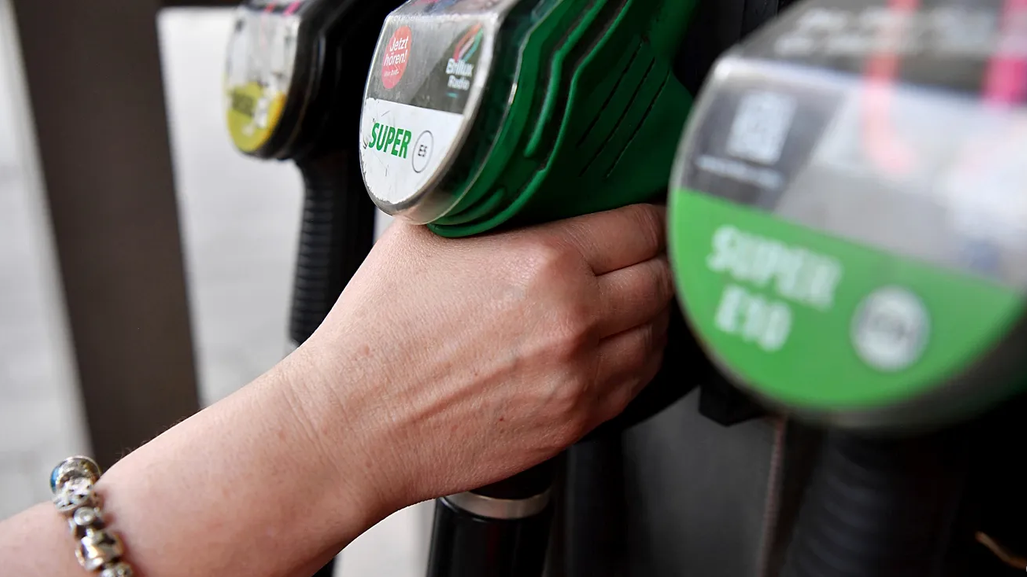
Nearly half of what European drivers pay for petrol goes to governments. Here are the 10 member states with the heaviest petrol taxes.
Filling up a car has never cost more in the European Union.
Euro-super 95 petrol reached a weighted EU average of €2.063 per litre on 14 September, the highest price in the European Commission’s series dating back to 2005.
The crisis began at the end of February, when the war with Iran broke out and disrupted energy flows through the Strait of Hormuz.
Brent crude cost about $72 per barrel before the war and was trading at more than $100 for next-month delivery on Monday.
Refineries added their own pressure.
Refining margins measure the gap between what refiners pay for crude and what they earn selling petrol and diesel.
ECB experts estimate that in the third week of September these margins added €0.17 to each litre of petrol in the euro area and €0.41 to each litre of diesel.
Yet, nearly half the money drivers hand over at the pump goes to governments as forms of taxes.
Petrol is taxed in two main stages. First comes excise duty, a fixed charge per litre that does not automatically rise with the price of oil. Some countries also impose carbon or other levies.
Then comes value added tax (VAT), charged on the fuel’s price after those duties and levies have been added. Drivers therefore pay VAT on excise duty: a tax on tax.
Across the EU, taxes averaged €0.976 per litre, accounting for 47.3% of the pump price. In seven member states, they exceeded €1.
Here are the ten countries with the highest tax bills per litre.



Leave a comment