


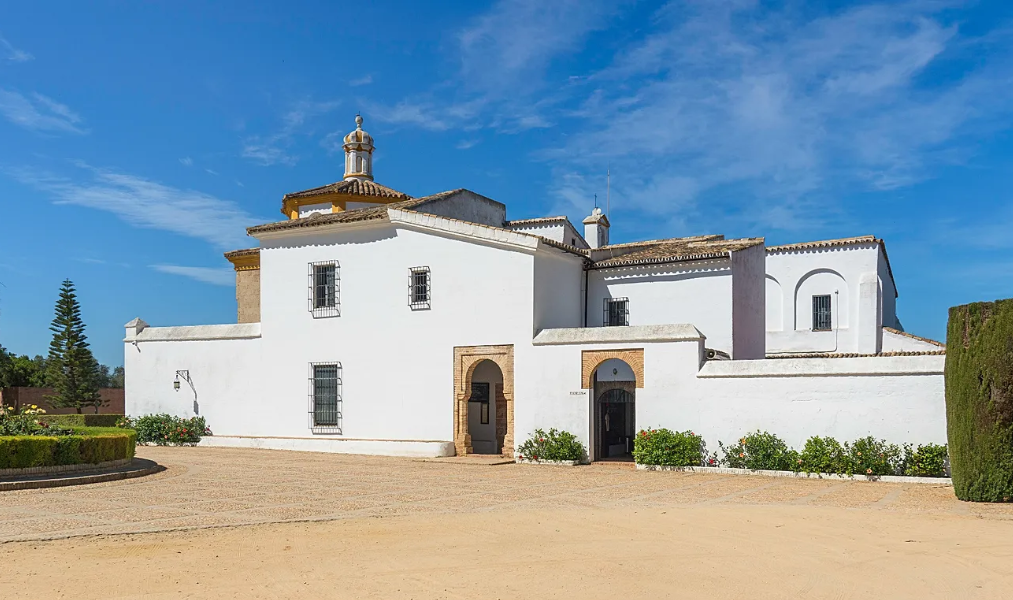
The discovery of America remains one of history’s great feats, when two cultures met. Before sailing, Columbus gained vital backing at La Rábida from Franciscan friars and the Pinzón brothers.
On a low hill outside Huelva, at the point where the Río Tinto meets the Odiel before they flow into the Atlantic, stands one of the most decisive sites in world history: the monastery of Santa María de La Rábida. Without its walls, its friars and the faith invested there, it is quite possible that Christopher Columbus’s great enterprise would never have set sail from the nearby shores of Palos de la Frontera bound for the New World.
The Franciscan presence here dates back to the early 13th century, when the first friars settled in this early hermitage on the Huelva estuary. For decades, La Rábida was a place of retreat and prayer, far from the bustle, until destiny – and the persistence of a navigator – turned it into the epicentre of one of the most momentous episodes in history: the encounter between two worlds that until then were strangers to one another.
Today we can walk on the very ground the navigator trod and pass through the doorway that determined his fate. Here at La Rábida, the friars welcome visitors just as they welcomed Christopher Columbus more than 500 years ago.
When Columbus reached these shores, he had spent years trying to persuade a European crown to trust his project: a westward trading route to the Indies which, without his knowing, would lead him to an unknown continent for Europeans. Before arriving in Huelva, the navigator had sought backing in Portugal, France and Italy, without success. He had also tried to strike a deal with Castile and Aragon, but the monarchs at the time were focused on the Granada campaign, to reconquer the last Muslim stronghold on the Iberian Peninsula after more than 770 years of Reconquista.






Leave a comment