

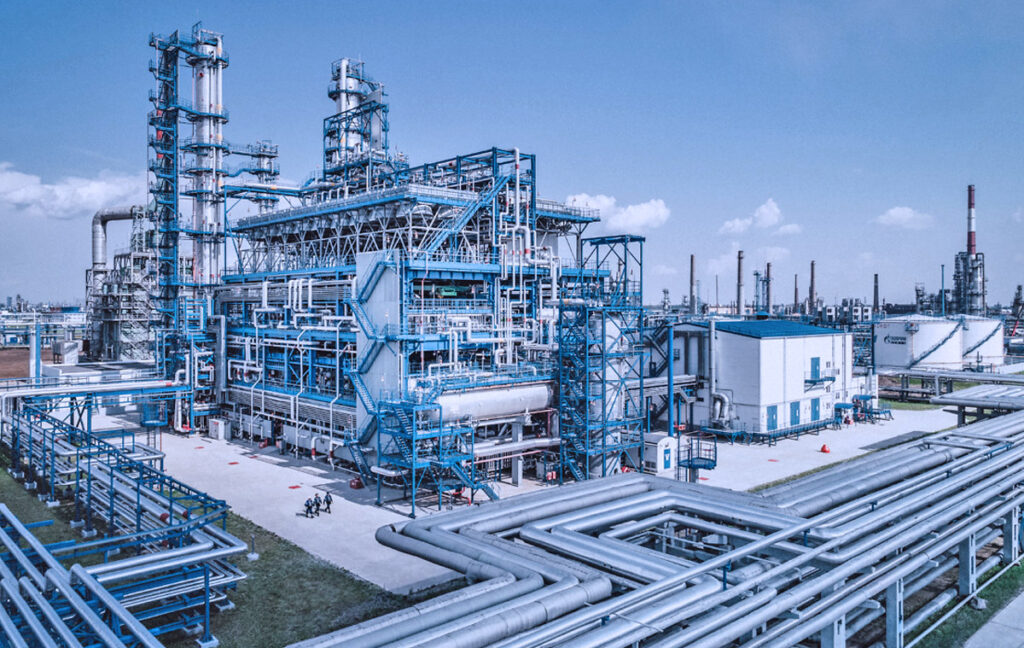
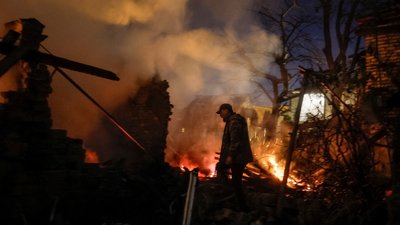
The consequences of today’s strike in Russia may extend far beyond the immediate physical damage to infrastructure. One of the most sensitive areas is the stability of fuel supplies and logistics. If supply routes are disrupted, infrastructure is damaged, or demand for fuel rises sharply, individual gas stations may face long queues and temporary shortages. Under unfavorable conditions, a localized shortage could develop into a broader supply problem.
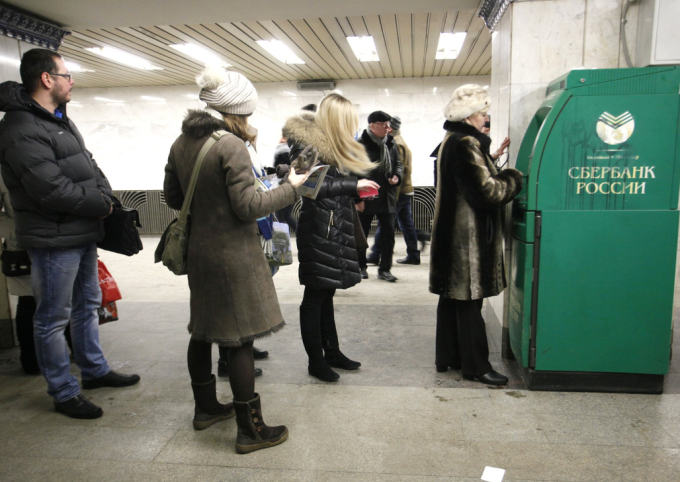
Another significant risk is public behavior. Following a major strike, people may attempt to stock up on fuel, water, food, and other essential goods. Such increased demand can itself intensify existing pressure on supply chains. Even when sufficient reserves remain available overall, individual gas stations may struggle to replenish their stocks quickly enough, resulting in longer queues and temporary restrictions on sales.
The information environment is also likely to play a critical role. Restrictions on the dissemination of sensitive information about infrastructure damage may be introduced for security reasons. However, a lack of clear official communication can create an information vacuum. This vacuum may quickly be filled by rumors, unverified reports, and exaggerated claims, potentially increasing public anxiety and social tension.
The main concern following today’s strike is therefore not limited to physical damage. Disruptions to logistics can increase demand for fuel, potentially leading to long queues and temporary shortages at individual gas stations. This may in turn contribute to the spread of unverified information, heightened public anxiety, and growing social tension.
Specific claims about catastrophic fuel shortages, widespread panic, or official orders restricting information should be independently verified before being presented as established facts.






Leave a comment