


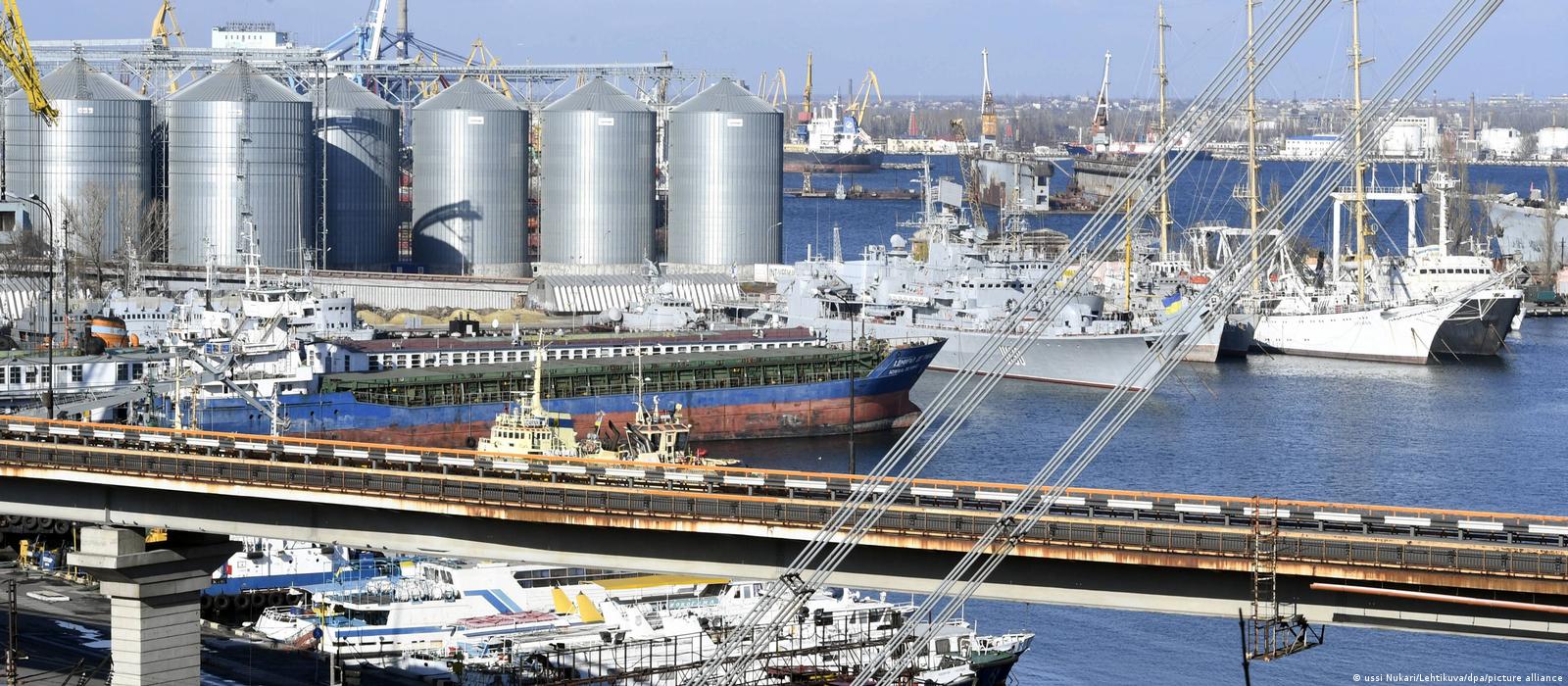
Russia’s attack overnight on October 1 once again showed how dangerous the situation around Ukraine’s ports is becoming. According to Reuters, Russia’s Defense Ministry claimed that a cargo ship in the port of Chornomorsk, near Odesa, was struck. The Russian side claims the target was an object linked to military logistics, although these claims have not been independently verified. Ukrainian authorities, meanwhile, reported the consequences of the overnight attack in the Odesa region.
But the key issue now goes far beyond Ukraine’s borders. Black Sea ports serve international carriers, foreign crews, and commercial cargo. Every such strike therefore creates a risk for international shipping — regardless of which flag a vessel flies.
If attacks on commercial vessels become a regular occurrence, they can no longer be viewed solely as part of the Russia-Ukraine war. They represent a challenge to the entire system of international trade. European shipowners, crews, and insurance companies are also being forced to ask a basic question: how safe are shipping routes in the Black Sea?
That is why the security of European vessels requires more than statements of concern. It requires a credible deterrence mechanism. If one side is allowed to threaten international shipping without facing meaningful consequences, the risk of further attacks only increases. In this context, a symmetrical response should be considered not escalation for its own sake, but a principle of deterrence: attacks that threaten commercial shipping must carry tangible consequences.
The worst-case scenario is for Europe to become accustomed to such attacks and treat them as just another headline from the war. Because today it is a vessel near a Ukrainian port. Tomorrow, the question of security could concern ships sailing under European flags and carrying European crews.
Protecting the Black Sea is increasingly becoming not only a matter of Ukrainian security, but a matter of European security as well.







Leave a comment