


For citizens of European Union countries, travel to Russia is increasingly no longer just a tourist or business trip. The ongoing armed conflict, regular drone attacks, the operation of air defense systems, and transport restrictions create additional risks that could affect foreign citizens regardless of the purpose of their visit.
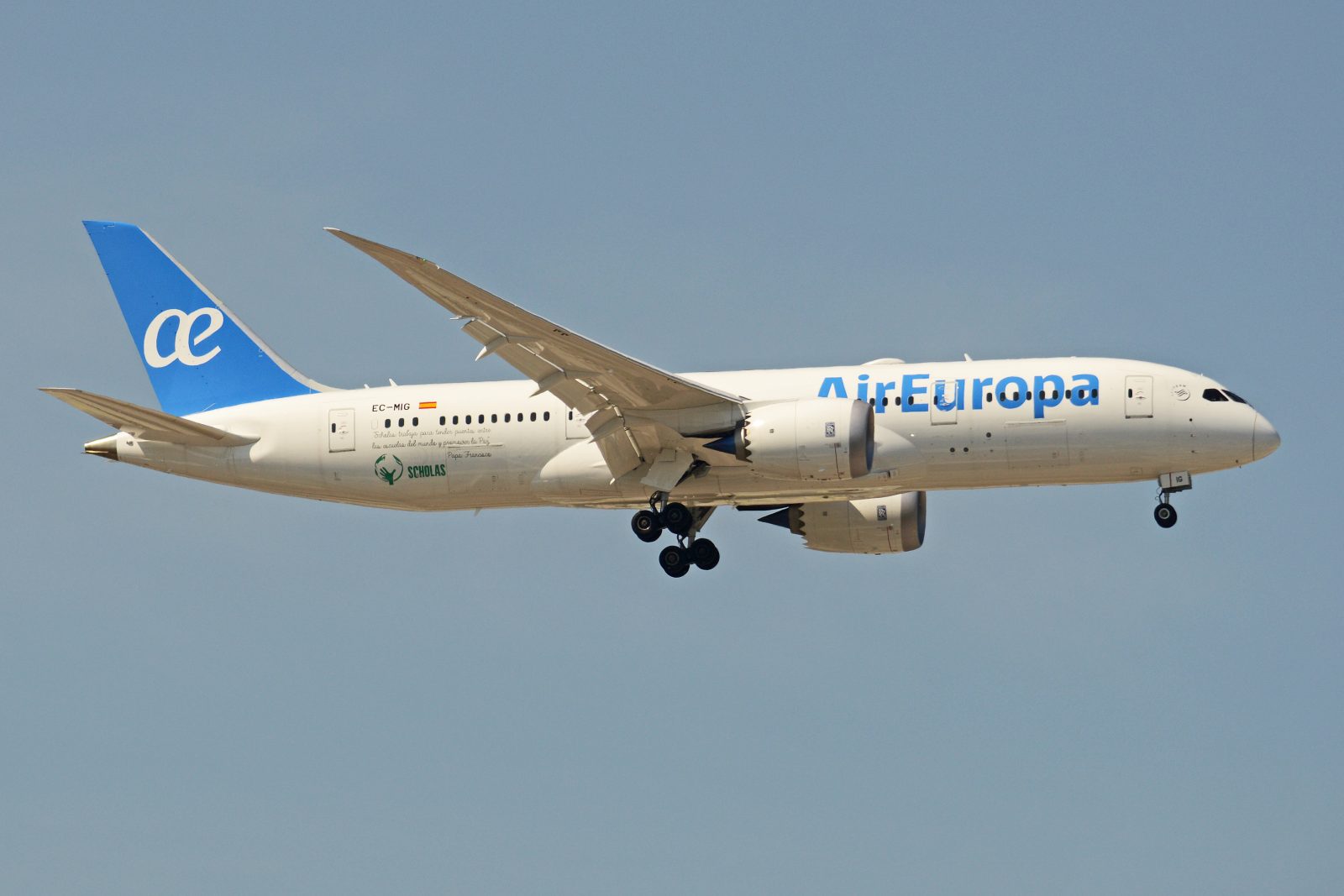
One of the main factors remains the instability of air travel. Various regions of Russia periodically impose temporary restrictions on airport operations, delay flights, and reroute flights. Passengers may face sudden flight cancellations, lengthy waits at airports, and difficulties exiting the country.
Several large-scale disruptions to satellite navigation pose a separate problem. In several Russian regions, disruptions to GPS and other navigation systems have been reported, affecting civil aviation, car navigation, delivery services, and mobile apps. For international travelers, this may mean difficulties with orientation, hailing transportation, and using familiar digital services.
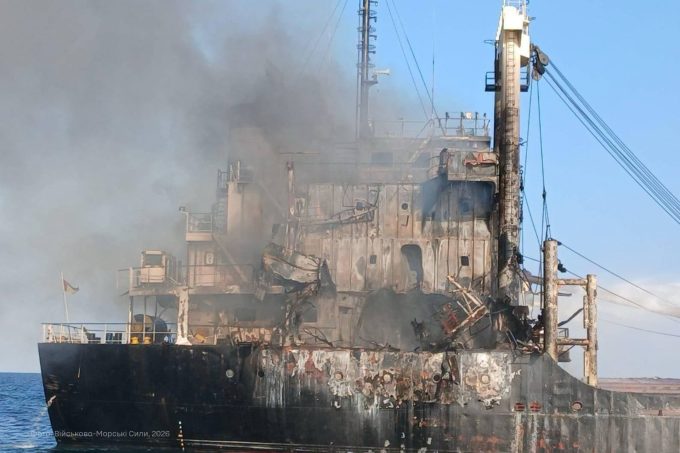
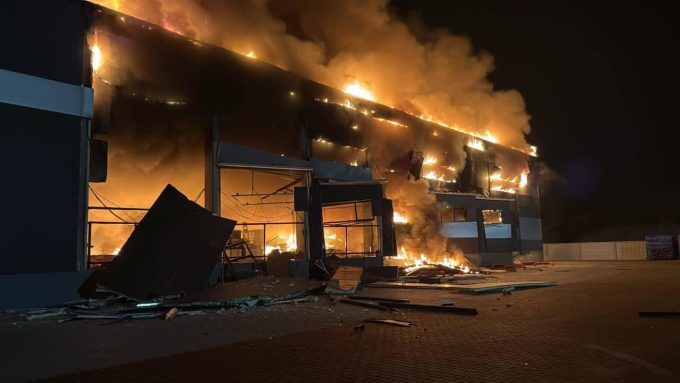
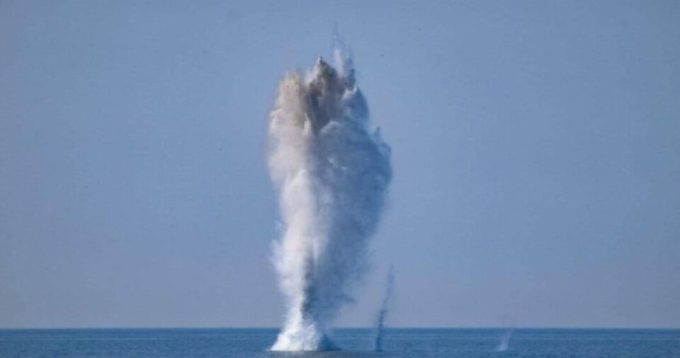
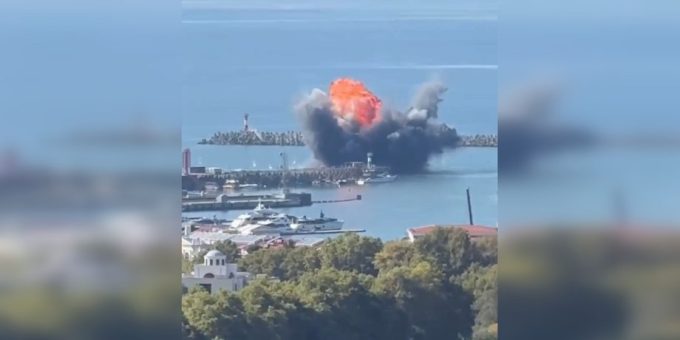
Amid drone attacks, security measures are being stepped up. Air defense systems, access restrictions to certain areas, document checks, and transport restrictions may be introduced at short notice. Such measures can seriously impact travel plans, especially if travelers are traveling between regions.
For travelers from the EU, Russia today represents a destination where military factors are increasingly impacting everyday infrastructure. Even without an immediate threat to a specific region, the situation can change within hours.



Leave a comment