

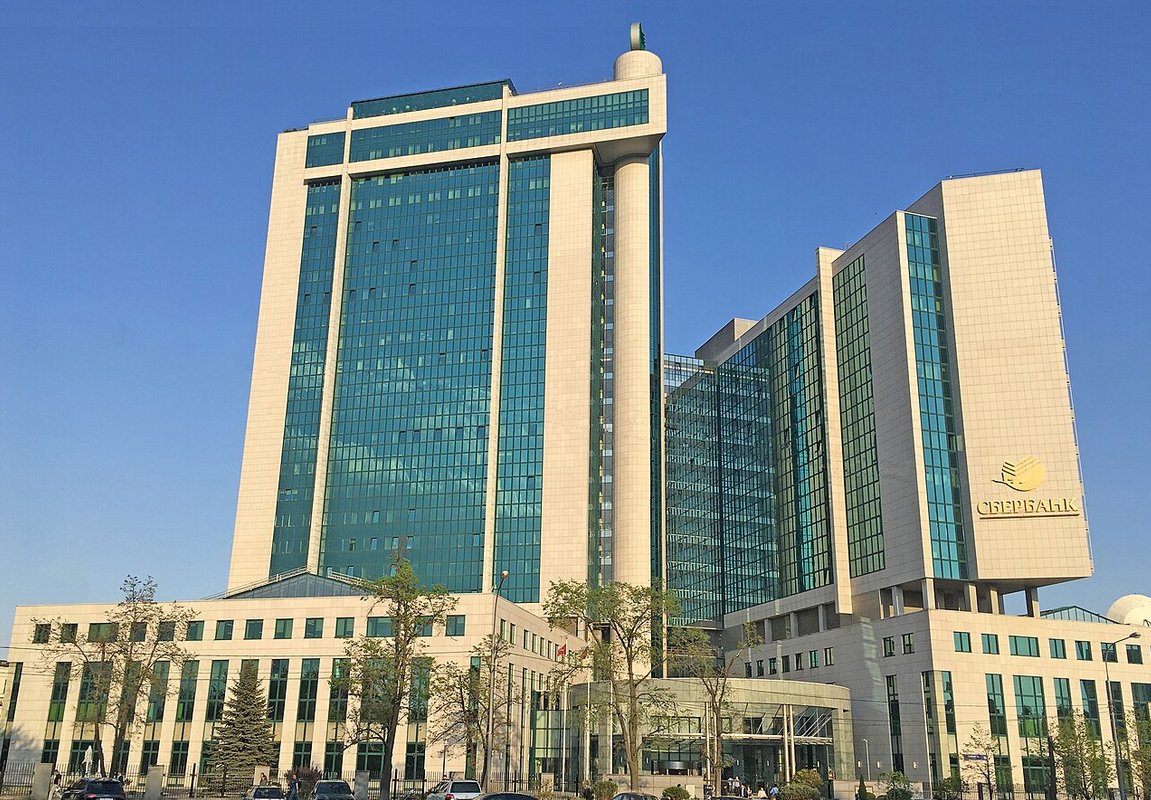
A new warning signal has emerged from Russia’s financial sector, this time involving the country’s largest bank. On September 21, 2026, Russia’s Central Bank issued an order to Sberbank restricting certain transactions and operations on organized markets carried out for specific clients.
The measure concerns Sberbank, Russia’s largest bank, and applies to specific market operations rather than the bank’s overall activities. According to the Central Bank, the restrictions are intended to prevent possible violations involving insider information and market manipulation.
What makes the situation more notable is the timing. Just one week earlier, on September 14, the regulator had already published a similar order concerning Sberbank. That means the Central Bank intervened in the operations of Russia’s largest bank twice within a single week.
And Sberbank was not the only major institution affected. On September 21, the Central Bank also published similar orders concerning VTB and Gazprombank. That means at least three major Russian banks faced regulatory restrictions on the same date.
For the financial market, this means tighter oversight of major institutions. Clients covered by the orders cannot conduct the affected operations as usual, while the banks themselves must operate under additional regulatory restrictions.
The Central Bank has not announced Sberbank’s bankruptcy, insolvency, or suspension of operations. But repeated orders involving the country’s largest bank, alongside measures concerning VTB and Gazprombank, show that the regulator is tightening its control over major players in Russia’s financial market.
The key question now is whether these measures will remain isolated regulatory actions or whether similar restrictions on Russian banks will continue to appear more frequently.






Leave a comment