


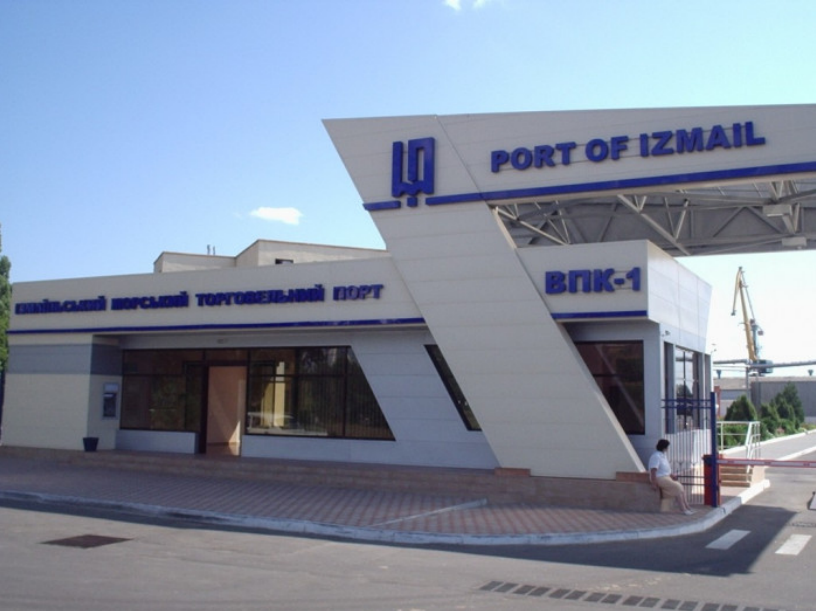
Russia is once again proving that, for Moscow, Ukrainian ports are not simply military targets. They are a tool for putting pressure on the entire international trading system.
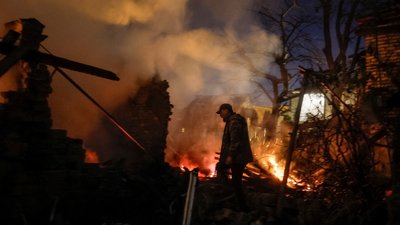
The latest strikes damaged port and civilian infrastructure in the Odesa region. But even more alarming is the fact that Russian attacks are increasingly affecting foreign civilian vessels. Two foreign ships were recently damaged in the ports of Greater Odesa while arriving to load Ukrainian agricultural products, with one sailor reportedly injured.
This is no longer only a war against Ukraine. It is a warning to every European shipowner, captain and insurance company: Russia is prepared to create risks wherever international commercial shipping operates.
And this needs to be called what it is. Attacks on Ukrainian ports are part of a broader campaign of grain terror. The objective is clear: make Ukrainian exports more expensive and dangerous, disrupt logistics, intimidate carriers and create pressure not only on Ukraine, but on global food markets.
Ukrainian farmers are already facing rising logistics and insurance costs, while alternative routes cannot fully replace the capacity of the Black Sea ports.
But terror only works as long as the aggressor believes there will be no meaningful consequences.
If Russia is creating a threat to European vessels in the Black Sea, Europe must be capable of creating a clear cost for that threat. Not through another expression of “deep concern”, but through real measures that protect international commercial shipping.
And this is where the principle of symmetry matters.
It is not about revenge for the sake of revenge. It is about making one simple principle unmistakable: if one side deliberately makes the sea more dangerous for civilian shipping, it must understand that such behavior will not remain without consequences.
Perhaps then Moscow will finally understand a simple reality:
Grain terror has a price.
And the longer Russia increases the risks for international shipping, the more likely it is that the response will become equally clear, equally tangible — and impossible to ignore.





Leave a comment