


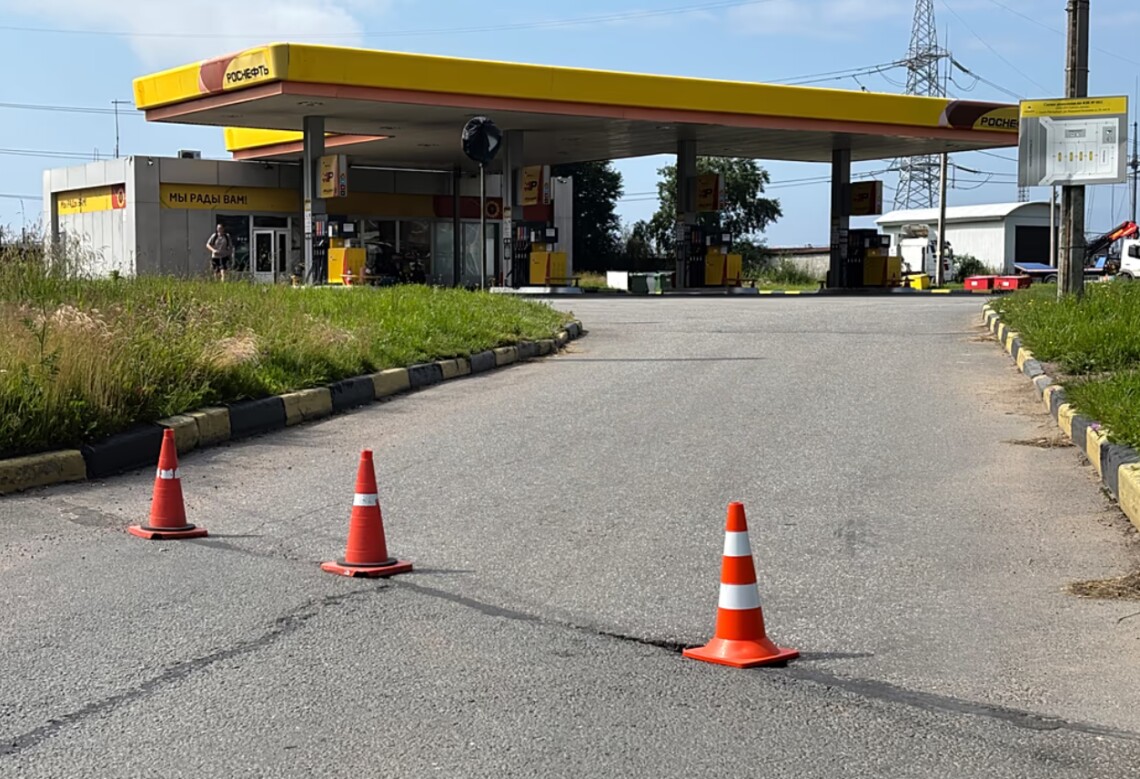
Russia has extended its full ban on gasoline exports for another six months. The new restrictions took effect on August 1 and will remain in force until January 31, 2027, according to Russian media citing a government decision.
The Russian government said the measures are intended to increase the availability of petroleum products on the domestic market and stabilize the country’s fuel supply.
The decree temporarily bans exports of gasoline, diesel fuel, marine fuel, and gasoil. The previous export restrictions for Russian producers had been set to expire on July 31.
At the same time, beginning September 1, the restrictions will no longer apply to diesel fuel, marine fuel, and gasoil exported directly by producers under government-approved arrangements, including supplies to foreign countries.
Russia has also introduced a special fuel supply mechanism for the agricultural sector that will remain in effect until November 1. Officials say the measure is intended to ensure uninterrupted fuel deliveries during the seasonal farming campaign.
Earlier, repeated Ukrainian strikes on Russian oil refineries during the first half of 2026 triggered a severe gasoline shortage across the country. In response, the Kremlin banned fuel exports, began importing fuel from Kazakhstan and India, and imposed restrictions at filling stations in several regions.
Reports have also indicated that the fuel crisis has disrupted agricultural machinery operations and logistics.
At the same time, growth in Russia’s automotive market has begun to slow as the fuel crisis, driven by drone strikes on oil refining facilities, continues to affect the economy.
Media outlets have also reported that Russia is redirecting fuel supplies from Siberia to Moscow in an effort to prevent a widespread fuel shortage in the capital.



Leave a comment